
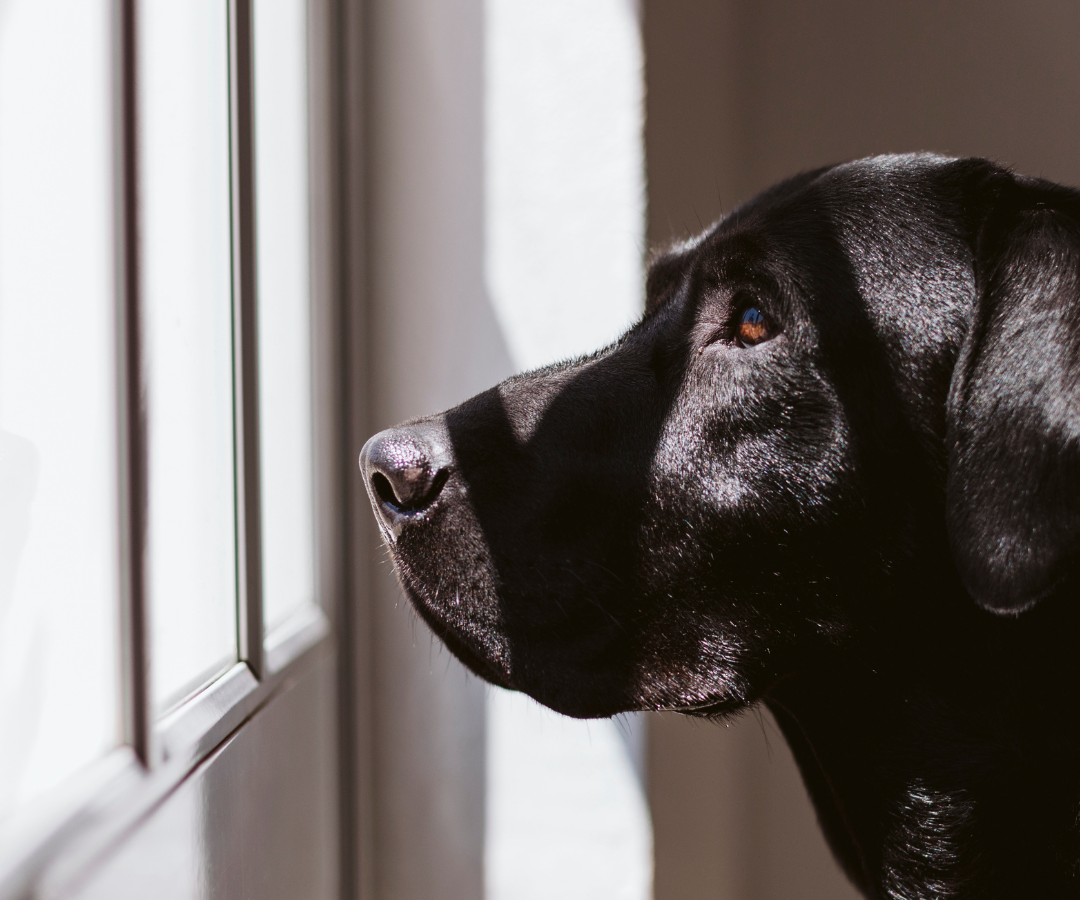
Grief doesn’t just affect people. When a much-loved pet dies, surviving animals in the household can also feel the loss. They may not understand death in the same way we do, but they can sense absence, routine changes, and their owner’s emotions. Recognising and supporting these reactions can help other pets adjust more peacefully after saying goodbye.
Do Pets Grieve?
Research and owner observations suggest that many animals, including dogs, cats, and small furries, can show behavioural signs of distress after losing a companion. Anthropologist Barbara J. King, in How Animals Grieve, describes examples of animals forming deep social bonds and reacting noticeably when those bonds are broken.
Dogs may pace or wait by doors, while cats may withdraw, vocalise more, or lose interest in food and play. The ASPCA Companion Animal Mourning Project found that nearly half of cats ate less and over a third vocalised more after the death of another household pet.
While we cannot know whether animals experience grief in the same way humans do, these behavioural and emotional changes are real and deserve gentle understanding. Behaviour specialists interpret them as signs of stress or attachment-related adjustment rather than conscious mourning, but they are nonetheless meaningful.
Common Signs of Grief in Pets
-
Searching behaviour: Looking around the home or sniffing familiar areas
-
Changes in appetite: Eating less or, occasionally, more
-
Altered sleep or rest patterns
-
Withdrawal or clinginess: Seeking constant reassurance or spending more time alone
-
Vocal changes: Whining, meowing, or calling for their companion
These responses are usually temporary and should ease within a few weeks. If they persist or worsen, it’s worth discussing them with your vet to rule out illness.
How to Support a Grieving Pet
Grieving animals benefit most from consistency and calm.
1. Keep routines stable
Feeding, walks, and bedtime should stay as predictable as possible. Familiar patterns provide comfort when the household dynamic changes.
2. Offer gentle reassurance
Spend quiet time together, speak softly, and offer comfort without overwhelming your pet. Forced interaction or excessive attention can increase anxiety.
3. Maintain enrichment
Toys, gentle play, or scent-based activities can provide mental stimulation and help redirect focus.
4. Preserve familiar scents
Keep the bedding or favourite toys of the deceased pet for a short while. The familiar smell can be soothing as your surviving pet adjusts.
5. Avoid rushing to replace the lost pet
It can be tempting to fill the gap quickly, but most animals need time to adapt before welcoming a new companion. Introducing another pet too soon can cause confusion or stress.
When to Seek Veterinary Advice
While grief-related behaviour is normal, seek veterinary advice if you notice:
-
Persistent appetite loss for more than 72 hours
-
Ongoing weight loss or lethargy
-
Anxiety or distress that doesn’t improve over time
Your vet can help identify whether changes are related to grief or an underlying medical issue. In some cases, short-term behaviour support or environmental adjustments can make a big difference.
Grief in Rabbits and Guinea Pigs
Rabbits and guinea pigs are highly social animals that often form close pair bonds. When one dies, the surviving companion may experience a marked change in behaviour – appearing withdrawn, lethargic, or reluctant to eat.
Monitoring appetite is vital, as prolonged food refusal in either species can quickly lead to serious gut stasis or other complications. Encourage eating by offering fresh hay and favourite greens, and contact your vet promptly if appetite does not return within 12–24 hours.
If possible, allowing the surviving rabbit or guinea pig to see and smell the body of their companion can help them understand that their friend has gone. Many owners report calmer behaviour afterward, with less searching or distress.
Maintaining a familiar environment, consistent feeding routines, and gentle interaction from owners can provide stability during this period.
When considering a new companion:
-
Wait until your pet’s appetite and behaviour have stabilised.
-
Choose introductions carefully, following species-specific bonding guidance (neutral territory, gradual introductions).
-
Some animals welcome a new friend quickly, while others need more time to adjust.
For rabbits in particular, the Rabbit Welfare Association & Fund (RWAF) recommends that bonded pairs should not remain alone long-term, as isolation can cause stress and depression. However, timing the introduction thoughtfully helps ensure a successful, lasting bond.
Grief, Empathy, and the Human–Animal Bond
The bond between animals is often as strong as the bond they share with us. When that connection is broken, surviving pets need our empathy and understanding. Keeping routines steady, providing comfort, and recognising their emotional world allows them to heal in their own time.
As Barbara J. King writes, “Grief in animals reminds us that love and loss are not human experiences alone.” By supporting our surviving pets through their loss, we honour the deep relationships that make our lives, and theirs, so meaningful.


